Building climbing legs.
UTA50 has 2,400 metres of climbing. Newcastle does not have 2,400 metres of anything. Here’s where the vert actually comes from when the ground won’t give it to you.
Most of it comes from a treadmill in my garage.
I run on a NordicTrack Commercial X22i, mainly because the incline goes up to 40 percent, which is more than enough to matter. Flat running teaches your legs nothing about climbing. Past a certain incline the whole stride changes, shorter steps, more drive through the hip, a burn in the calves that a tempo run on the flat will never get near. I’ll push it up for a block of repeats and keep the session short, because past a point there’s no version of this that’s comfortable. Nobody’s watching a sunrise from a garage. That’s fine. I’m not there for the view.
It’ll also drop to a 6 percent decline, which I didn’t take seriously for a long time. Six percent is nothing next to the pitch of an actual technical descent, and it won’t touch the side-to-side work your ankles do finding footing on uneven ground. But it’s something, a bit of eccentric load on tired legs that a flat treadmill just doesn’t offer, and I’ve started using it deliberately at the end of a hard incline set rather than ignoring it. If you’re brave, or slightly mad, turn around and face the back of the belt while it’s on incline. It changes everything about how your legs have to work to control the climb, and it’s a genuinely uncomfortable few minutes the first time you try it. Don’t do it without a hand near the rail.
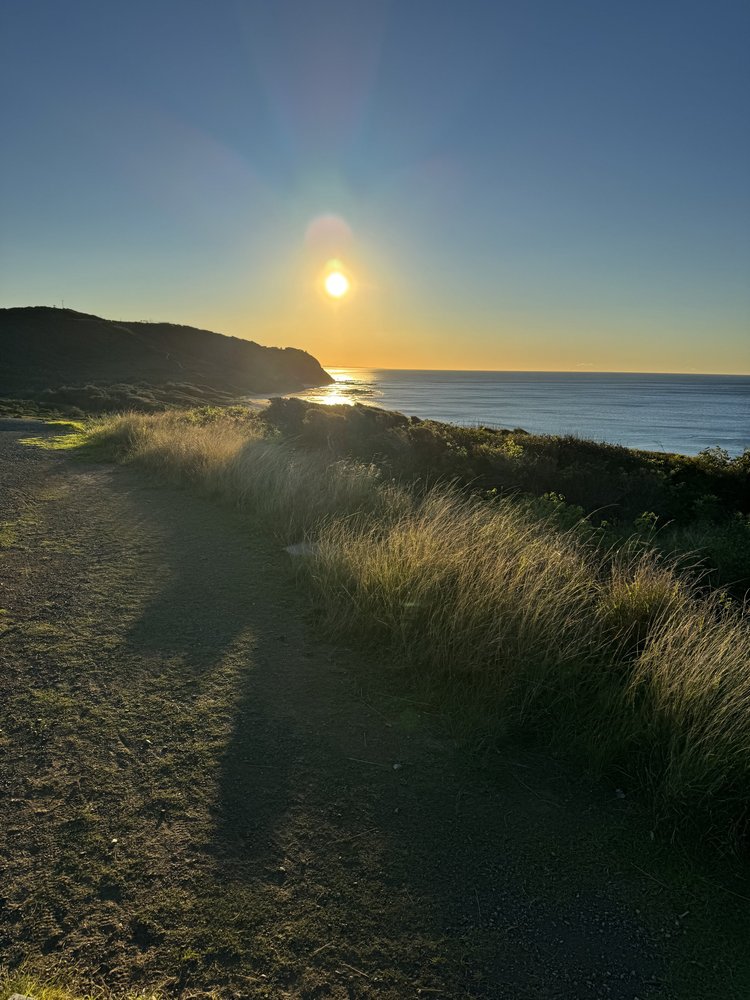
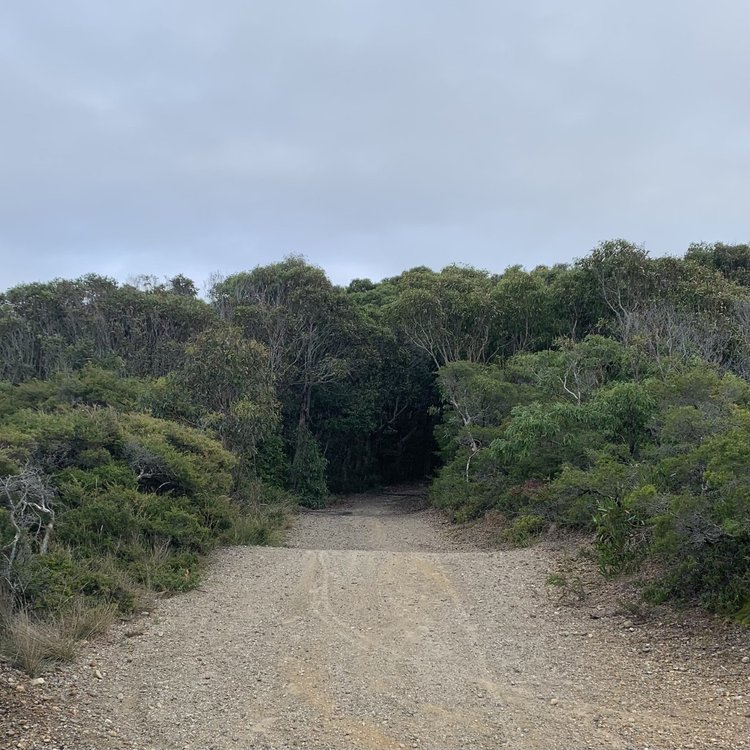
The rest comes from actual ground. My own coast track has a couple of short rises tucked into it, nothing dramatic, but enough pitch that I’ve started treating them as a repeats session rather than just running through on the way past. They’re not long enough to hold a rhythm on, which is the point, they force the same abrupt change in stride that a proper climb does, just in a smaller dose.
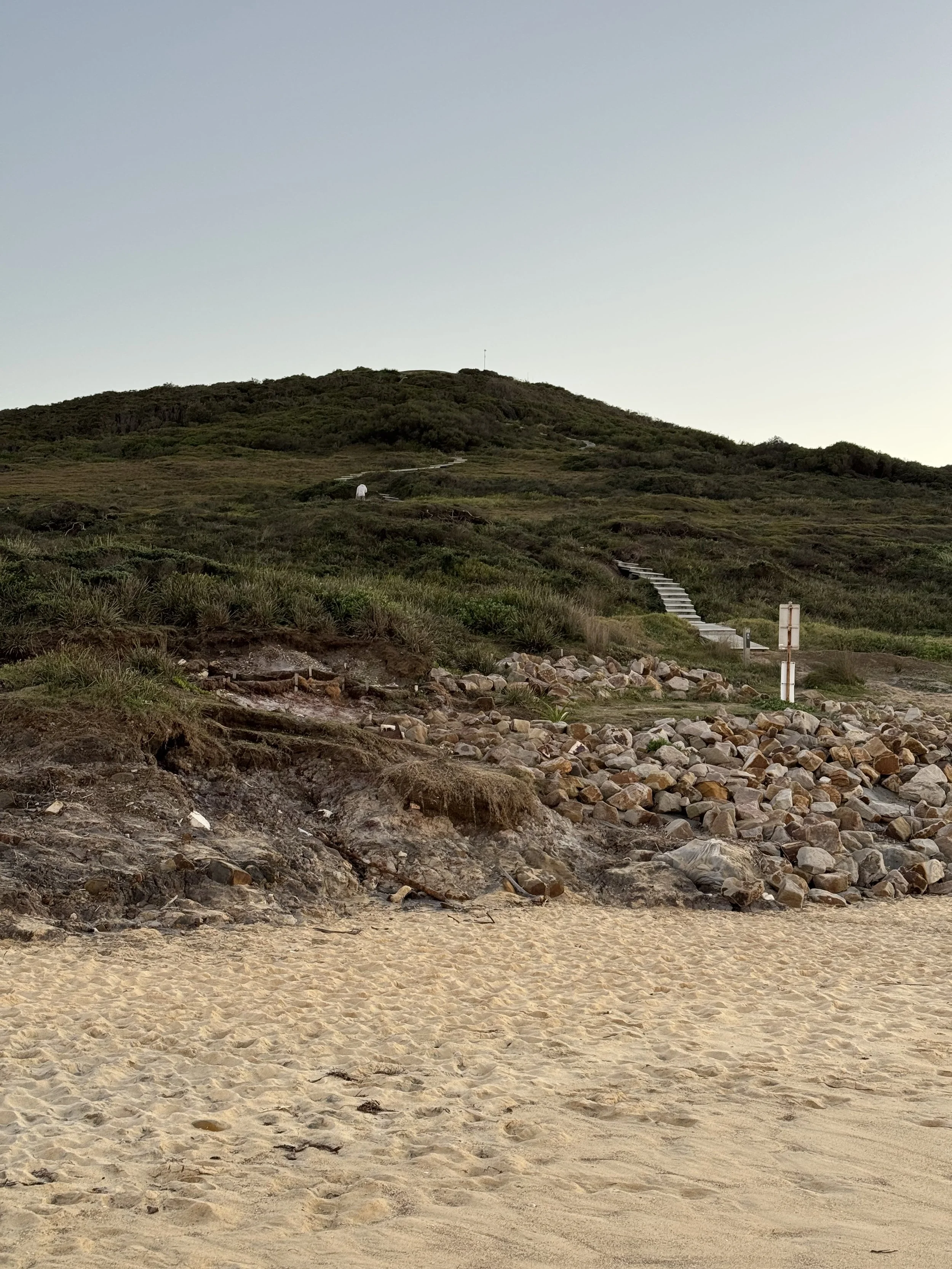
For the real thing, I go to Glenrock, specifically the pinch from Burwood Beach up to the Hickson Street lookout, which sits at around 24 percent grade. For a long time I wrote it off, too short to bother with. That was a mistake. It doesn’t need to be long. It needs to be steep enough to wreck your form in under a minute, and it manages that easily. I run it as repeats, hard up, easy back down, however many the morning’s got in it. Rep one always feels fine. By rep four my legs have stopped pretending.
It doesn’t need to be long. It needs to be steep enough to wreck your form in under a minute.
This is where the real descent training happens, not the garage. The downhill at Glenrock is on a proper track, uneven in its own way, nothing like a flat belt dropping at a fixed six percent. My quads know the difference within the first few strides.
I don’t really think of the treadmill and Glenrock as two versions of the same thing anymore, more like two separate weaknesses getting worked on. The treadmill is volume and control, no weather, no daylight excuses, incline set exactly where I want it, a bit of decline thrown in when my legs can take it. Glenrock is footing, the real eccentric hammering on the way down, and the grind of a climb that doesn’t let up halfway through. I need both. Neither gets me there by itself.
Stairs are the other obvious answer, and I don’t have any worth running either. What I’ve found instead is that a step doesn’t need to be a staircase to teach your legs the same lesson. A box at roughly shin height, or even just a solid step or low bench, does most of the same job. Single leg step ups are the one I come back to most, leading with one leg for a set, then switching, and forcing myself to press through the heel and straighten the knee properly rather than bouncing off the toes.
None of it looks like training for a mountain. It looks like standing in a garage stepping on and off a box.
The muscles don’t know the difference between a box and a staircase, only whether they were made to work.
Off the trail and off the treadmill, most of the climbing gets built somewhere less visible. Squats, step ups with a bit of weight, deadlifts, the unglamorous stuff that never shows up in a Strava upload but decides how my legs feel on the fourth hour of a long day out. If your hips and hamstrings aren’t doing their job, no amount of incline work will fix what happens on uneven ground. I’d rather admit that now than find out on course.
The other one I’ve had to actually commit to is mobility, mostly because I resent it. A desk-adjacent life doesn’t do favours for hip flexors, and tight hips make every climb harder than it needs to be. A bit of rolling and stretching most evenings has done more for how my legs feel on descents than I expected it to.
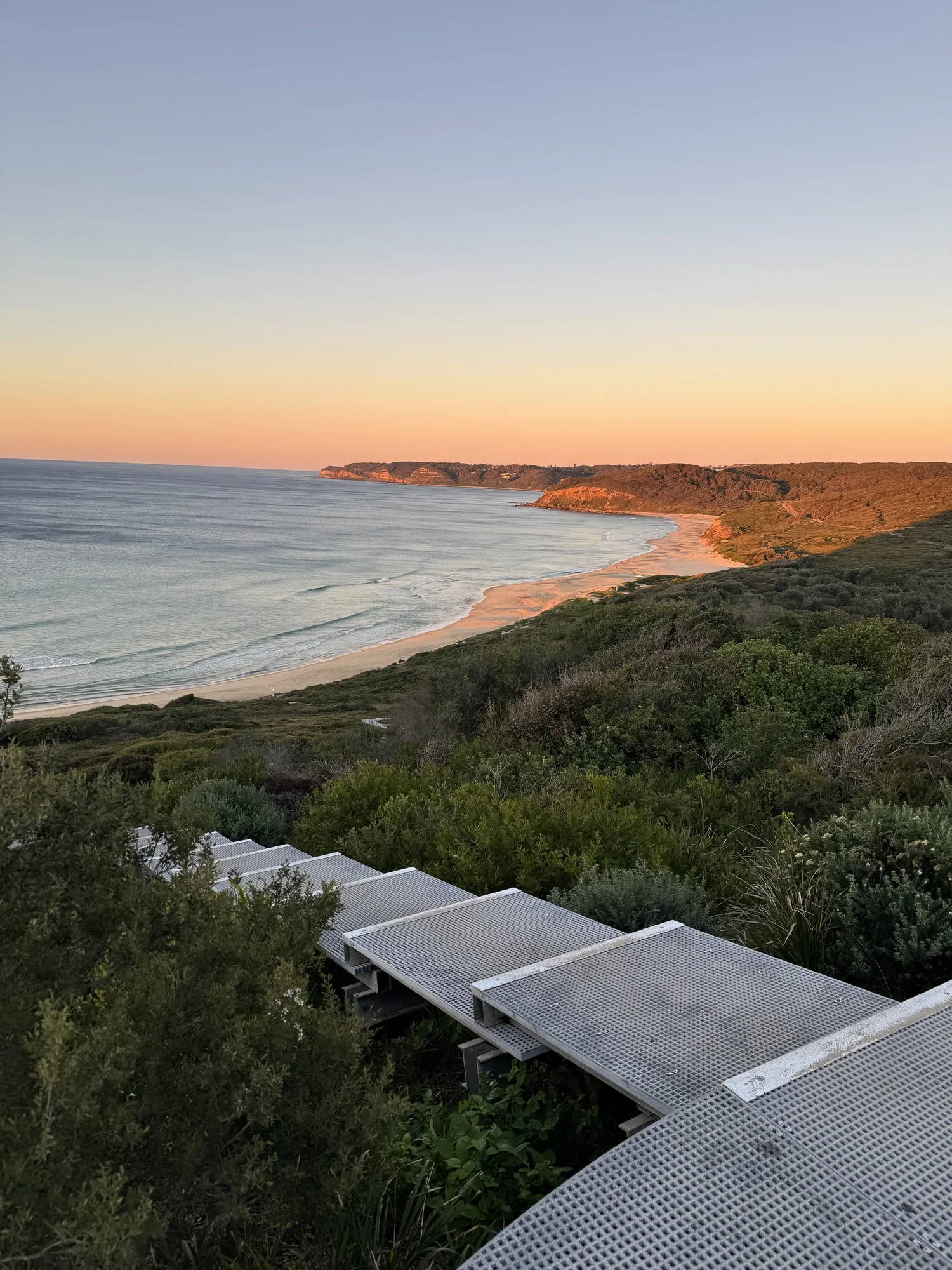
It’s not the Blue Mountains. A 24 percent pinch at Glenrock stops being a stand-in for four hours of continuous vert about thirty seconds after you start comparing them, and I’ve stopped pretending otherwise. What I’ve got is a garage, a short ugly hill, and a box I step on and off like it means something. Ask me again after May 2027 whether it was.